2013 MINI Paceman N16 Cylinder 1 Misfire: Exhaust Valve Damage
Quick Summary
A 2013 MINI Cooper Paceman Base (R61) with the N16 engine and approximately 121,000 unverified miles had a persistent cylinder 1 misfire. Ignition coil and spark plug swaps did not move the misfire. Cranking compression was approximately 0 PSI on cylinder 1 versus 195–200 PSI on cylinders 2–4. Borescope inspection revealed a missing or eroded section at the edge of a valve identified as the cylinder 1 exhaust valve. This supports a mechanical sealing failure; the root cause remains unconfirmed.
- Vehicle
- 2013 MINI Cooper Paceman Base (R61, N16 1.6L)
- Difficulty
- ★★★★☆
- Repair Time
- Not documented hours
- Outcome
- Preliminary diagnosis of cylinder 1 exhaust valve damage; repair pending
Vehicle Information
| Year | 2013 |
|---|---|
| Model | Cooper Paceman Base |
| Chassis | R61 |
| Engine | N16 1.6L |
| Transmission | Not documented |
| Mileage | Approximately 121000 miles (unverified) |
Repair Timeline
- Initial diagnosis Diagnosis Cylinder 1 misfire persisted after swapping ignition coils and spark plugs.
- Compression testing Diagnosis Cylinder 1 showed essentially zero PSI while cylinders 2 through 4 measured approximately 195 to 200 PSI during cranking.
- Borescope inspection Diagnosis An irregular missing section was visible at the edge of a valve identified as a cylinder 1 exhaust valve.
Customer Complaint
Persistent cylinder 1 misfire. Customer identity, contact details and VIN are deliberately excluded from this public case study.
Symptoms
- Persistent cylinder 1 misfire despite coil and plug swaps.
- Cylinder 1 was a marked outlier in DME smooth-running readings.
- No white exhaust smoke reported.
- Severe cylinder-specific cranking compression loss.
Diagnostic Process
Ignition coils and spark plugs were swapped without moving the misfire to another cylinder. Cranking compression testing found cylinder 1 at essentially 0 PSI and cylinders 2, 3 and 4 around 195–200 PSI. A running-engine pressure observation was also reported but is not comparable to standardized cranking compression.
An articulating borescope through the spark-plug opening revealed an irregular missing section near the edge of a valve identified as cylinder 1's exhaust valve. This appearance is consistent with valve-edge burning, erosion or breakage, but cannot prove the precise mechanism.
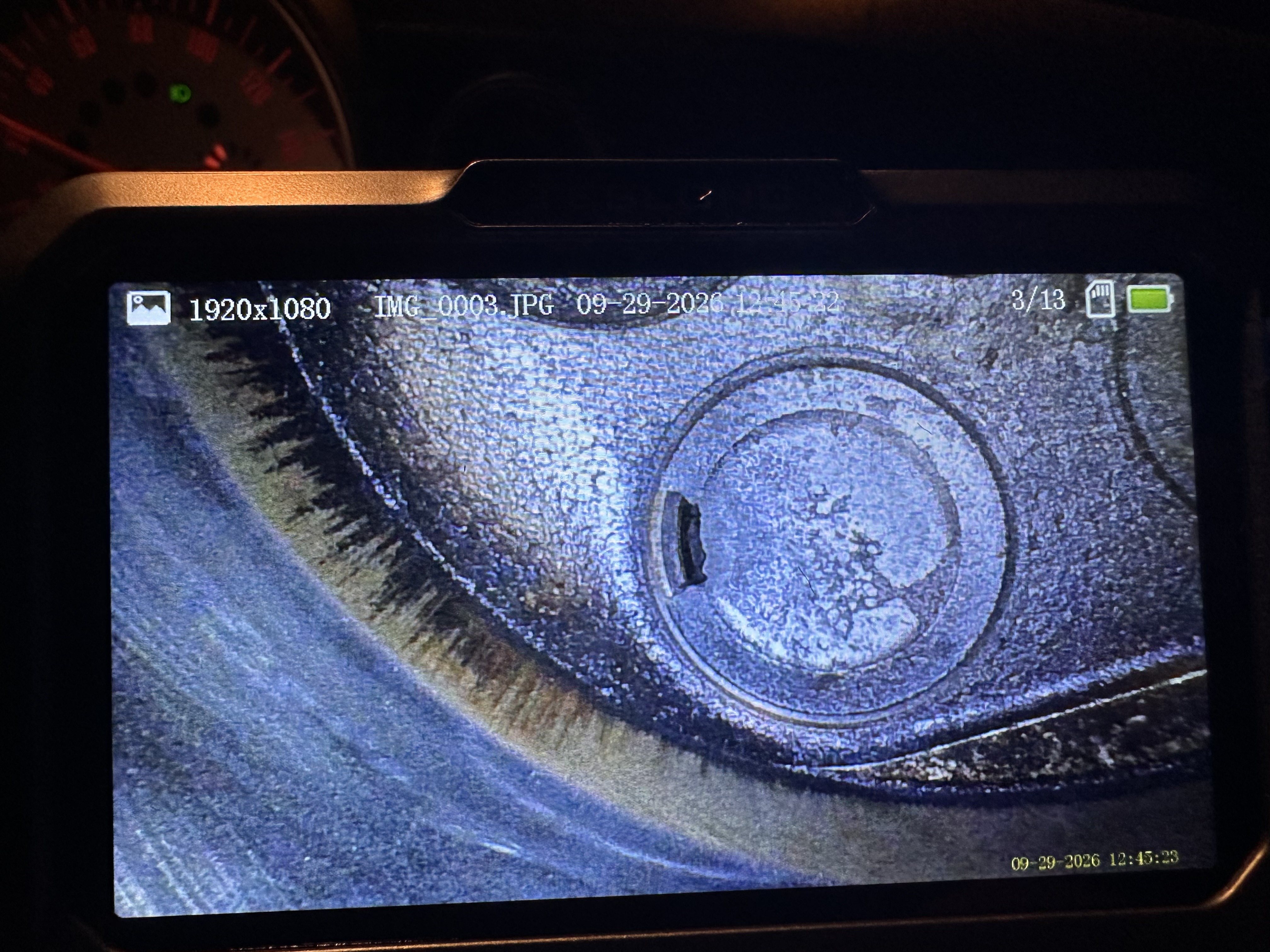
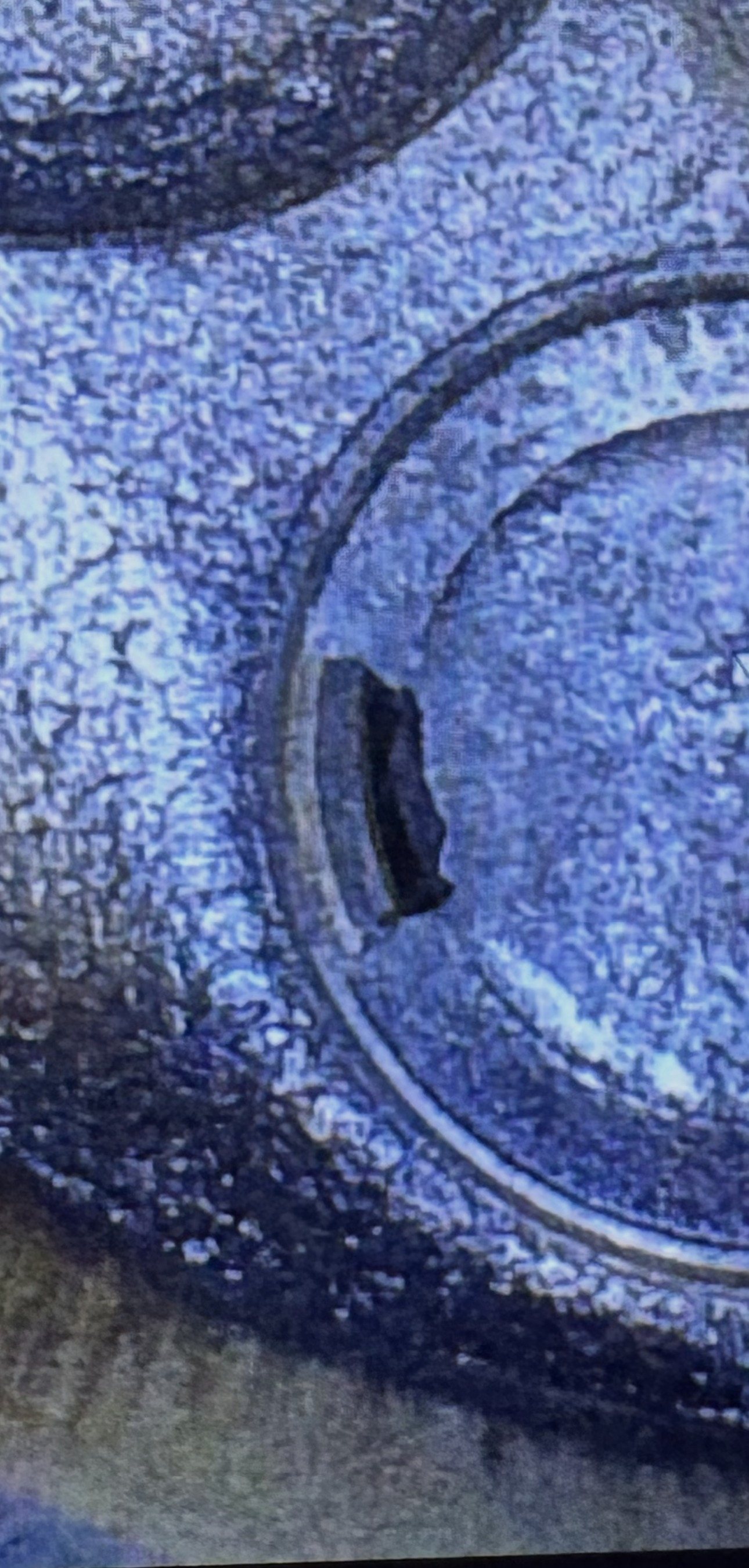
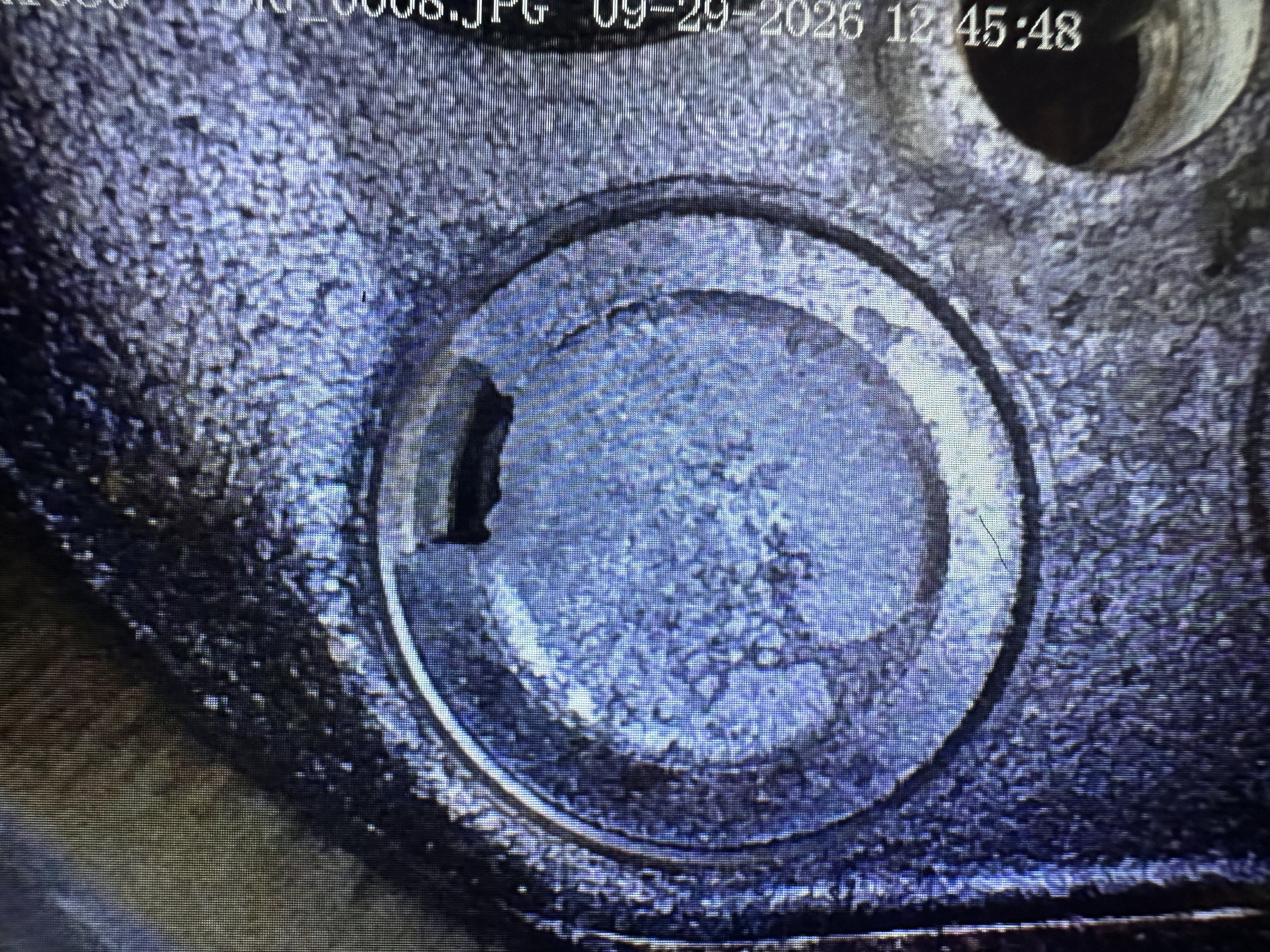
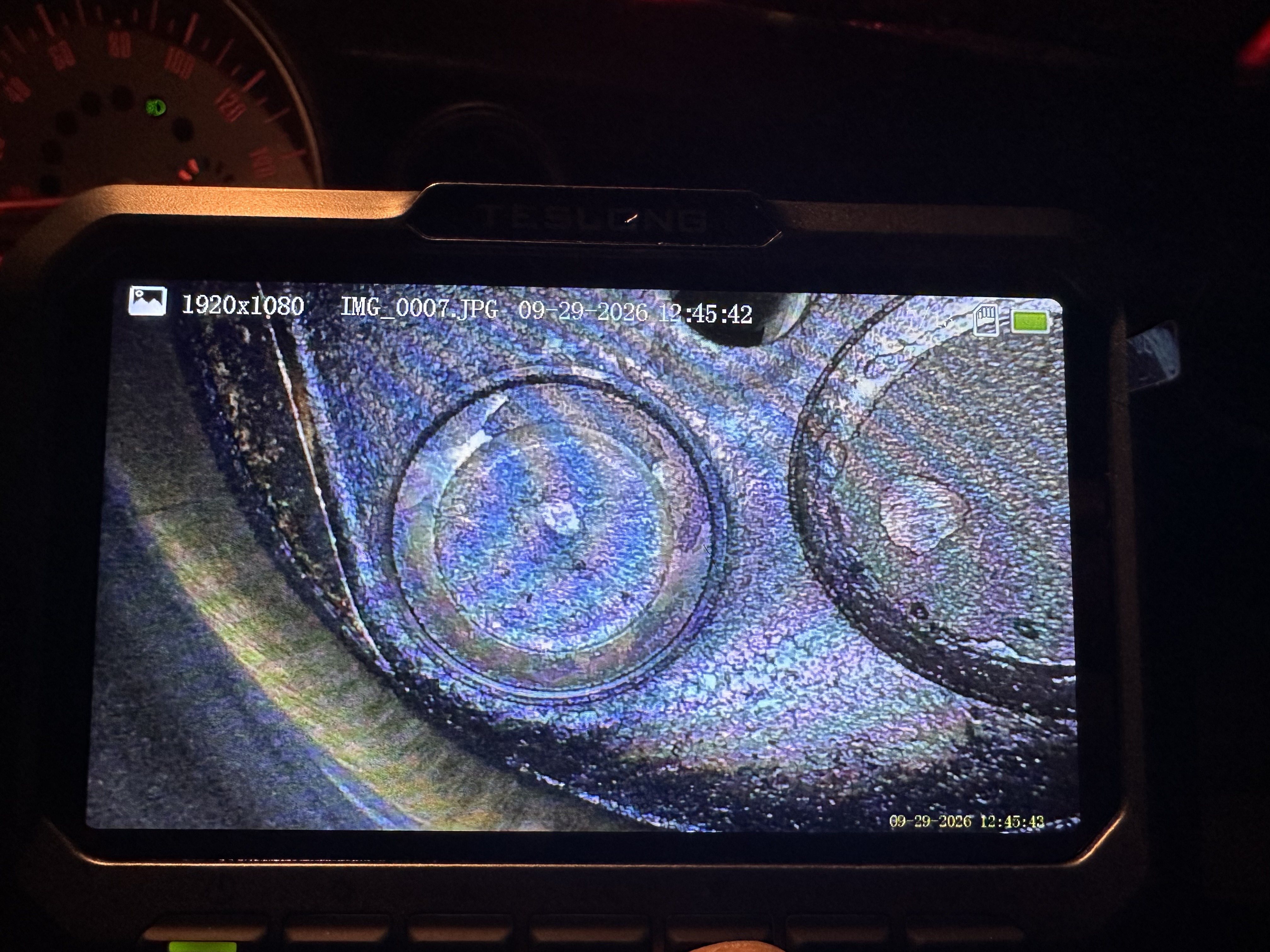
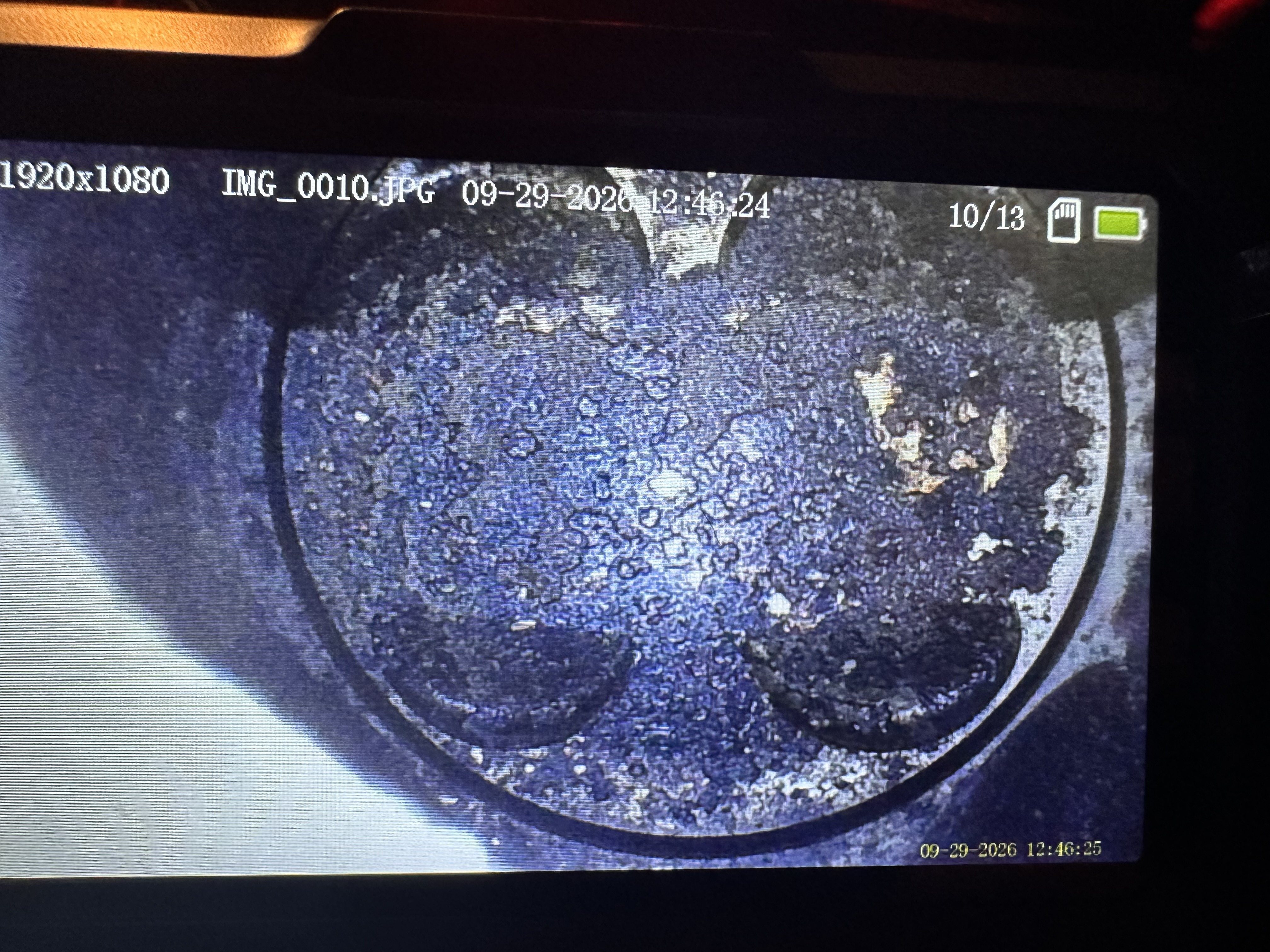
No completed leak-down result, valve-seat inspection, head removal or post-repair compression test is documented. A lean injector, loose valve seat or overheating must not be presented as an established cause.
Repair Performed
No repair has been completed or verified at this stage. Cylinder-head removal and focused valve replacement are under consideration, subject to inspection of the seat, guide, head and piston.
Verification
Diagnostic evidence consists of the cylinder-specific cranking compression comparison and borescope inspection. Repair verification remains pending.
Technician Notes
With zero cranking compression on one cylinder, further coil or plug replacement is not justified. When the head is removed, inspect the valve seat for looseness, recession or damage and check the valve guide and piston crown. A new valve cannot seal reliably against a loose or damaged seat. Budget constraints do not eliminate the need for a new head gasket and required new cylinder-head bolts.
Lessons Learned
- Compare compression across all cylinders before ordering more ignition parts.
- A borescope can localize damage but does not prove root cause.
- Inspect valve seats and guides before installing replacement valves.
- Record completed repair and compression verification separately from preliminary diagnosis.
Final Outcome
Initial diagnosis only. Suspected cylinder 1 exhaust-valve sealing failure. Head inspection, repair and final verification are pending.
Questions About This Repair
Does a bad coil cause zero cylinder compression?
No. Zero cranking compression points to a mechanical sealing issue or test setup problem.
Was the cylinder head repaired?
Not yet. This documents initial findings only.
Repairs Like This One
- 13 documented Diagnosis repairs. See them all →
- 10 documented Engine repairs. See them all →