MINI Spare Key Programming: EWS4, CAS3, CAS3+ and FEM/BDC
Quick Summary
A second working key is much easier to arrange before the only key is lost, damaged or stops being recognised. This write-up covers spare keys programmed to a 2012 MINI Cooper S (R56) and a spare programmed for a 2015 BMW 428i, and what those two jobs show about MINI key work generally: the key is generated from the car's own immobiliser data, so the first question is never "which key do you want" but "which immobiliser does this car actually have". On the R56 that answer came from an immobiliser status scan — CAS3/3+, inserted key recognised, free key positions available — and the whole job followed from it. Supported MINI immobiliser families here are EWS4, CAS3, CAS3+ and FEM/BDC, which between them cover R50 through F60, but coverage is confirmed on the car by VIN and by identifying the installed module, never from a year table alone. Proof of ownership is required before any key is programmed: registration and/or title, together with a valid government-issued photo ID that matches it.
- Vehicle
- 2012 MINI Cooper S (R56, N18 1.6L Turbo)
- Difficulty
- ★★★★☆
- Repair Time
- One appointment
- Outcome
- Spare keys programmed and verified for a 2012 MINI Cooper S, and a spare key programmed for a 2015 BMW 428i — key work quoted only after the immobiliser is identified and ownership is verified
Vehicle Information
| Year | 2012 |
|---|---|
| Model | Cooper S |
| Chassis | R56 |
| Engine | N18 1.6L Turbo |
| Transmission | 6-speed manual |
| Mileage | 100000 |
Repair Timeline
- August 2026 Complaint Spare-key work requested for a 2012 MINI Cooper S (R56) and a 2015 BMW 428i, in both cases while a working key was still in the owner's hands rather than after a key had been lost.
- August 2026 Diagnosis Immobiliser identified on the car before any key was ordered or generated. On the R56 that scan returned CAS3/3+ and showed the inserted key recognised, which is what separates an added-key job from an all-keys-lost recovery.
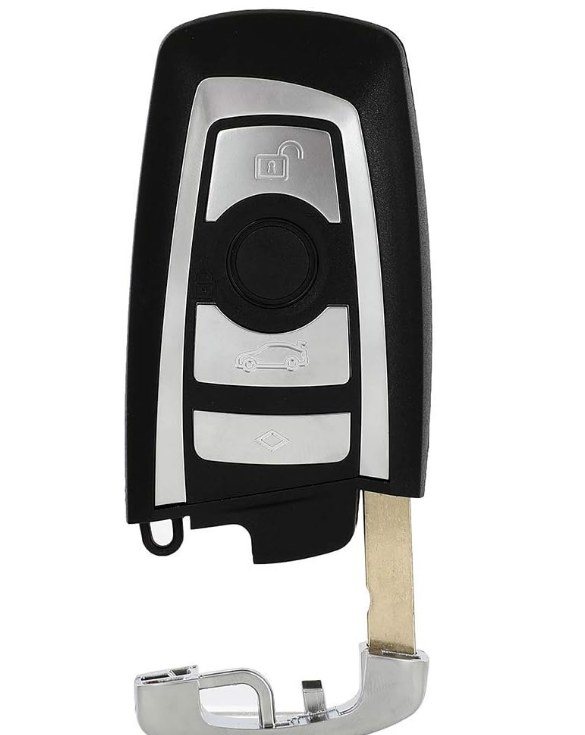
- August 2026 Repair Spare keys programmed to the MINI's own Car Access System data, and a spare programmed for the 2015 BMW 428i, which belongs to the later FEM/BDC era of BMW access architecture rather than the CAS era.
- August 2026 Verification Every new key tested on its own — engine started on that key alone, then lock, unlock and trunk release checked from its buttons, because remote operation and start authorisation are separate functions.
Customer Complaint
Neither vehicle had a fault. In both cases the request was the same: a spare key, arranged deliberately while a working key was still in hand, rather than as an emergency after the last key had gone missing.
Symptoms
- No driveability or access complaint on either vehicle
- One working key in the owner's hands, no spare
- Key fobs not yet programmed to the vehicle they were intended for
- No key warning symbol and no start-authorisation failure to diagnose
Diagnostic Process
Identify the immobiliser before anything is bought or generated. A MINI key job is decided by which access and immobiliser system the car actually has. The immobiliser status scan reads that off the car, proves the module communicates, and shows what routines are available. On this 2012 Cooper S it returned CAS3/3+ and read the VIN out of the module. EWS4, CAS3, CAS3+ and FEM/BDC are different jobs with different requirements, and a 2015 BMW 428i sits in the later FEM/BDC era rather than the CAS era, which is why the two cars in this write-up are not the same piece of work even though the customer-facing request was identical.
Establish the key count from the car, not the conversation. The scan showed the inserted key recognised. That is what makes this an added-key job. With a working key present the tool can authenticate and read what it needs; with no key at all the required information has to be derived from the immobiliser data itself, and that is the expensive version of this job.
Read the key positions before generating anything. The access module keeps numbered key positions and records each one as in use, free, or disabled. A new key is generated for one specific position, which is why that list is the plan for the job and why the position belonging to a lost key is what gets disabled.
Judge the key hardware. The right key type for the identified system, new and unlocked, is what goes in. A used BMW or MINI key is normally still locked to the car it came from, and a replacement shell or a freshly cut blade changes nothing about that. This is the part of the job that most often fails, and it fails on the part rather than the procedure.
Do not turn every access complaint into a key sale. A car that will not start with a key symbol showing has not proven the key is bad. Key battery, interference, vehicle voltage, an antenna, its wiring, or the access module itself all produce the same customer complaint. That is a diagnosis, not a key order.
Repair Performed
- Immobiliser status scan on the R56 to identify the system, confirm communication and read the key positions
- Spare keys programmed to the MINI from its own Car Access System data, each generated for a free key position
- Spare key programmed for the 2015 BMW 428i, a FEM/BDC-era vehicle rather than a CAS-era one
- Every new key handed over only after it had been tested on the car it belongs to
The deeper version of this work — module bench work on an encrypted system, an all-keys-lost recovery, or a car carrying a replacement access module — is a different job with different risk, and it is priced and scheduled differently. The CAS3 key add on this same 2012 Cooper S covers the procedure itself in detail.
Parts Used
- Aftermarket Key Fob Customer Supplied
Verification
- Immobiliser system identified on the car and communicating before any key was generated
- Existing key confirmed recognised, establishing an added-key job rather than a recovery
- Free key positions confirmed in the module before a key was generated
- Each new key started the engine on that key alone
- Lock, unlock and trunk release confirmed from each new key's own buttons
- Remote function and start authorisation checked separately, because one working does not prove the other
Technician Notes
The sentence that saves customers money is the boring one: make the spare while the first key still works. Everything that makes an all-keys-lost job expensive — getting into the car, moving the car, working on the module rather than through the diagnostic connector, cutting a blade from scratch, then proving remote, passive access and start authorisation all work afterwards — disappears when there is a working key on the counter. The plastic is a small part of the price in either case.
Customers reasonably assume a key is taught to the car. It is closer to the reverse: the car's own immobiliser data generates the key, for one specific key position. That is also why a key cut to the VIN opens a door and does nothing else, and why a photograph of the existing key plus the VIN is worth more at the counter than the year and model.
The four immobiliser families are the whole scope of the conversation. EWS4 on R50/R52/R53, CAS3 and CAS3+ across R55–R61, FEM/BDC on F54–F60 — and the ranges overlap at the generation boundaries, so a car built in a changeover year has to be identified rather than assumed. Two cars of the same model year can need different work.
A 2015 BMW 428i is not a MINI, but it is the same conversation: identify the access system, count the working keys, verify ownership, then decide the method. The tooling family overlaps because the architecture does.
The crossed-out key symbol deserves its own paragraph at the counter. It reports that the car is not currently detecting or accepting a key. It does not say why, and it does not say the key has failed. Selling a key against that symbol without diagnosing it is how a customer ends up with a new key and the same complaint.
Remote locking and immobiliser authorisation are separate functions in the same object. A newly programmed key can start the car while its buttons still need initialising, or work the locks while it is not authorised to start. Every key that leaves here is checked both ways.
Lessons Learned
- Make the spare while a working key still exists. It is the same key and a fraction of the effort of an all-keys-lost recovery.
- Identify the immobiliser on the car by VIN and by scan. A year table narrows the possibilities; it does not confirm coverage.
- Establish the key count before quoting. Added key and all keys lost are different jobs.
- Read the key positions before generating a key, and use that list to disable the position of a key that has been lost.
- Disabling a lost key does not change the mechanical lock. The blade still opens the door.
- Buy new, unlocked keys of the correct type. A used BMW or MINI key is normally locked to its original car, and a new shell does not change that.
- A key symbol is a report, not a diagnosis. Battery, interference, voltage, antenna, wiring and the access module all produce it.
- Test the immobiliser and the remote separately before handover.
- Verify ownership before programming, every time.
Final Outcome
The MINI left with programmed spare keys that had each been proven on the car, and the 2015 BMW 428i left with a spare of its own. Neither job was an emergency, because neither owner waited for the last key to disappear — which is the entire argument for having this done as scheduled work.
Photos From This Repair

Proof Of Ownership And Identity
Key programming is access control, so it is treated that way here. Before any key is generated:
- Vehicle registration and/or title
- A valid government-issued photo ID that matches the ownership document
- The complete VIN, and the vehicle available for identification
Photographs or screenshots of documents may be used to start a conversation, but the documents themselves are verified in person at the appointment. Key work is not performed for anyone who cannot establish lawful ownership or written authority from the owner.
MINI Key Generations And Immobiliser Coverage
Supported immobiliser families here are EWS4, CAS3, CAS3+ and FEM/BDC. Broadly, and subject to identification on the car:
| MINI family | Model years shown | Immobiliser family |
|---|---|---|
| R50 / R52 / R53 | 2000–2008 | EWS4 |
| R55 / R56 / R57 | 2005–2015 | CAS3 / CAS3+ |
| R58 / R59 / R60 / R61 | 2010–2018 | CAS3 / CAS3+ |
| F54 / F55 / F56 / F57 | 2014–2017 | FEM/BDC |
| F60 | 2016–2018 | FEM/BDC |
Read that as tool-coverage guidance, not as a promise about your car. The ranges overlap, key housings and remote functions changed within a generation, and the module actually fitted is what decides the job. Coverage is confirmed by VIN and by identifying the installed control unit before any commitment is made.
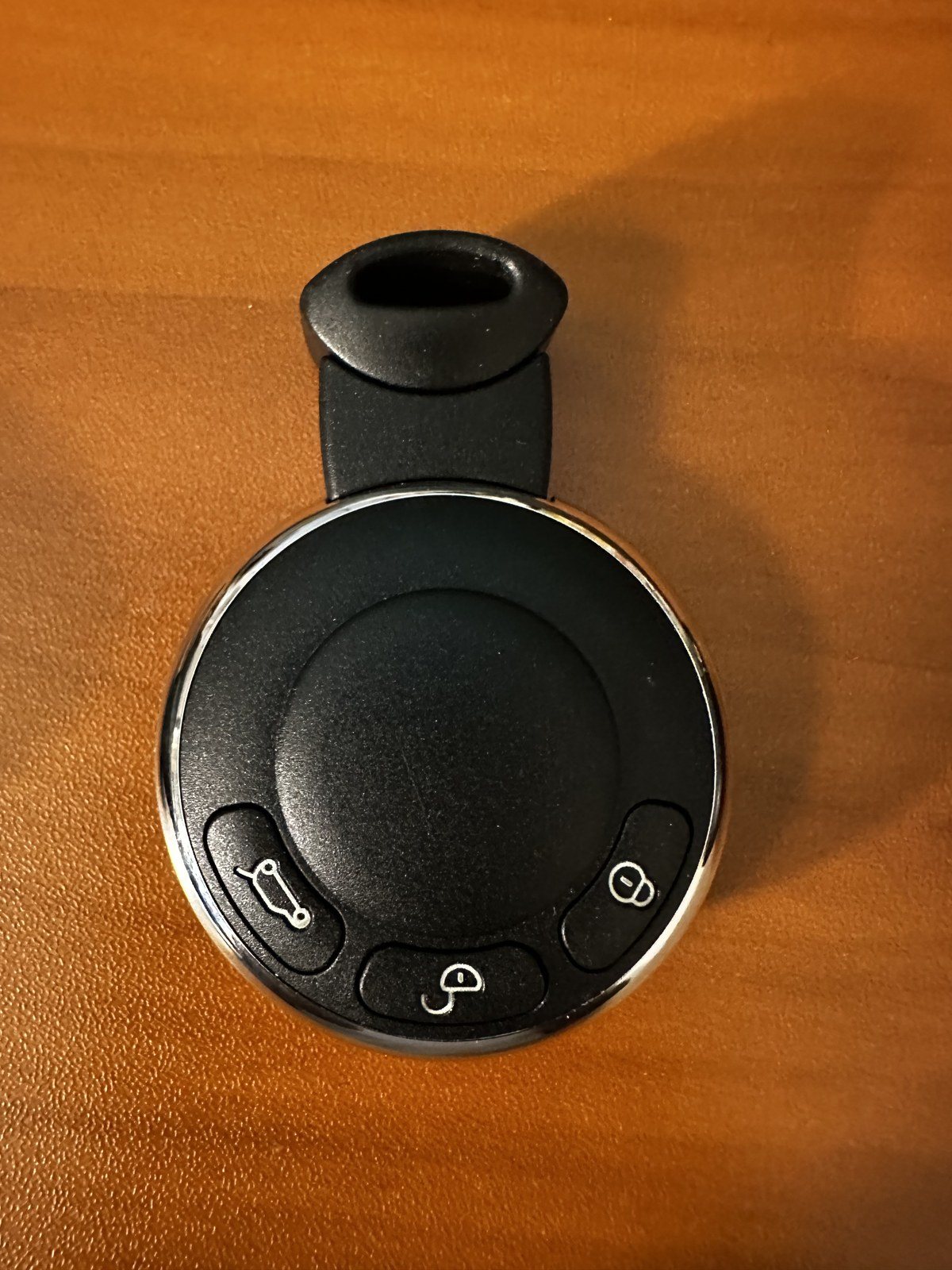
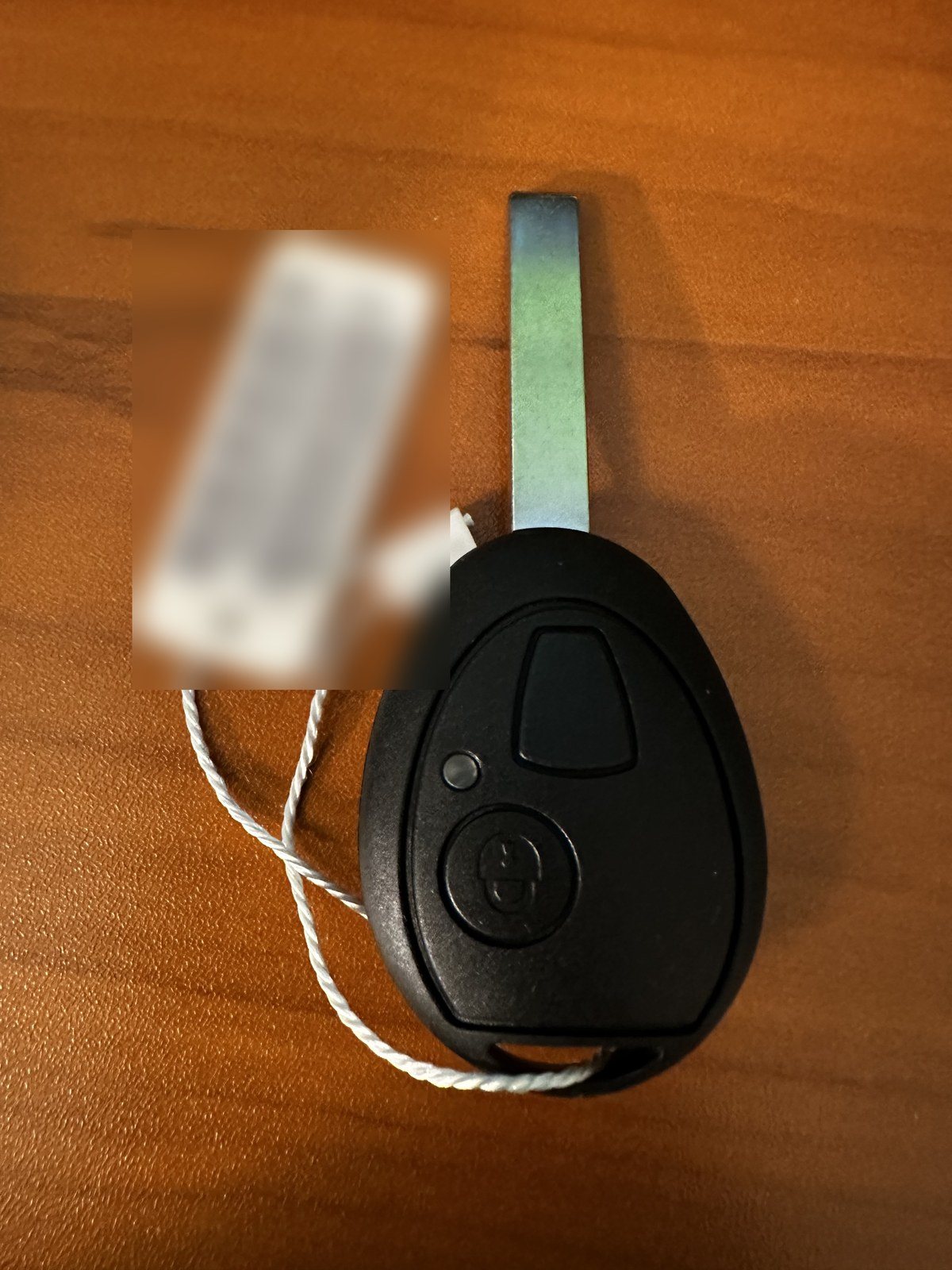
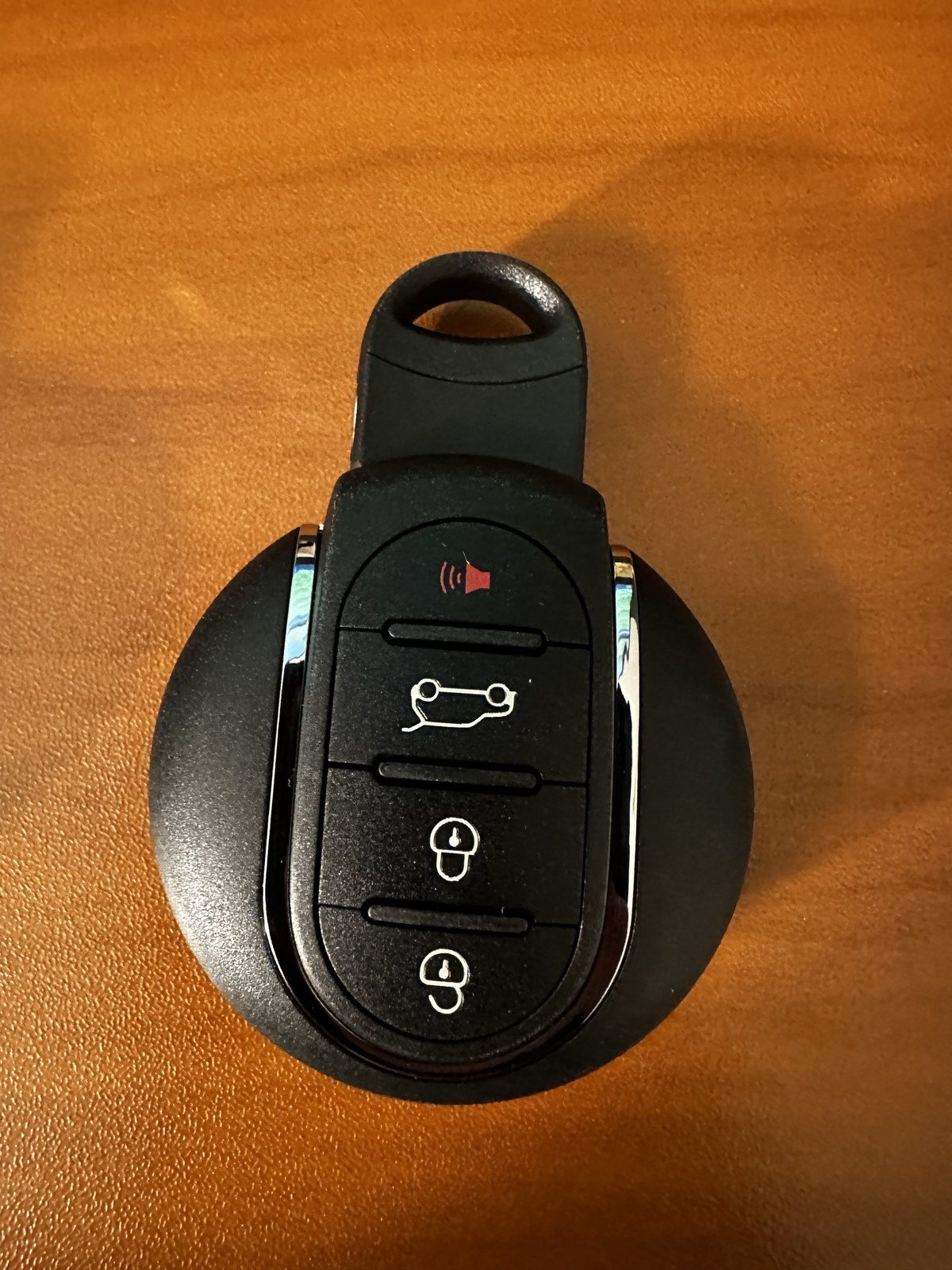
The keys in the photographs below show how visibly the hardware changed across those generations: a bladed key with a two-button head on the first generation, the round push-in fob on the second, and the later F-chassis fob with a separate panic button.
Why Making A Spare Key Early Matters
While one working key still exists — this is the right time, and the reasons are practical rather than technical. The car can be driven to the appointment. The existing key gives the tool a known working reference. The work is scheduled instead of urgent. There is no towing and no lockout call. And the day the only key fails, it is an inconvenience instead of a recovery.
When one key is lost but another still works — secure the remaining key, and do not wait for it to become the last key. Ask whether the missing key's position can be disabled so it no longer authorises a start, and bear in mind that its mechanical blade may still open a door, which is a lock question rather than an electronics question.
When all keys are lost — expect a longer job. Ownership and identity have to be established, the complete VIN provided, access to a locked vehicle arranged, and the vehicle possibly transported. The immobiliser module may have to be read or serviced, keys generated and programmed, an emergency blade cut, and remote locking, Comfort Access and start authorisation all tested afterwards. Immobiliser data that has been damaged or modified previously adds work on top of that. Some vehicles and some module conditions are a dealer job, and saying so early is part of the service.
Estimated Replacement-Key Costs
These are planning ranges, not quotes. Actual price depends on the chassis, the immobiliser system, the key type, how many working keys remain, the condition of the module, where the parts come from, travel, towing and the labour the specific job needs.
| Situation | Broad planning range |
|---|---|
| Supported spare key while a working key remains | approximately $250–$500 |
| Replacement remote through a dealer or premium OEM route | approximately $400–$800+ |
| All keys lost, EWS/CAS-era vehicle | approximately $500–$1,000+ |
| All keys lost, FEM/BDC-era vehicle | approximately $700–$1,200+ |
| Towing, lockout, module repair or coding | additional |
The difference between the top and bottom of that table is not the plastic. An all-keys-lost job can involve getting into the car, moving it, removing and reading the immobiliser module, backing up and regenerating protected data, correcting synchronisation, cutting a blade and then testing everything that a key touches. A spare made in advance is cheap risk reduction, and that is the honest reason this page exists.
What To Have Ready Before An Appointment
- Full name and a telephone number
- The complete VIN
- Model year and MINI model, and the chassis code if you know it
- How many keys currently work
- A photograph of the existing key
- Whether the vehicle has Comfort Access
- Registration and/or title, plus matching government-issued photo ID
- Any key symbol, warning message or start problem, described as you see it
- Where the vehicle is now, and whether it starts and communicates on a scan tool
MINI Key Symbols And Warning Messages
Symbols and wording differ by generation and instrument cluster, and the owner's manual for your specific car is the final reference. In general terms:
A plain key symbol is the car talking about the key — its position, its recognition status, a weak remote battery, a key that is not where the car expects it, a stored key-related warning, or a request to hold the key at a designated emergency-recognition position. The accompanying message and the colour carry most of the meaning.
A key symbol with a slash through it means the car is not currently detecting or accepting the key. That can be a key outside the cabin, a weak or dead key battery, radio interference, a damaged remote section, a transponder that is not being read, a key that was never programmed to this car, a fault in a key antenna or the access module and its wiring, or vehicle voltage too low for the access system to work reliably. It does not, on its own, prove the key is defective.
A remote that locks the car but will not start it is the same distinction from the other direction. Remote locking and immobiliser authorisation are separate functions, so the buttons can work while start authorisation fails — and the cause may be a damaged transponder, an access module that does not recognise the key, failed authorisation between that module and the DME, a key-slot reader or Comfort Access antenna problem, low battery voltage, an unsatisfied brake, clutch or selector condition, or something in the starting and engine-management system that has nothing to do with the key.
Need A Spare MINI Key In The Tampa Bay Area?
Mini Cooper Service Center programmes supported spare keys for MINI applications on EWS4, CAS3, CAS3+ and FEM/BDC, and for selected BMW models once the vehicle and its access system are confirmed. Send the VIN, model year, MINI model, how many keys currently work, a photograph of your key and a description of any problem, and you will get a straight answer about whether the car is supported before anything is ordered.
Proof of ownership and valid photo identification are required before any key is programmed.
Questions About This Repair
Can you make a MINI key if I still have one working key?
For supported vehicles, yes, and this is normally the best time to arrange a spare. The car can be driven to the appointment, the existing key gives the tool a known working reference, and the work is a scheduled job rather than a recovery. Whether your car is supported is settled by identifying the immobiliser on the car, not by a year table.
Can you make a key if all the keys are lost?
Some all-keys-lost situations can be serviced, but the method, the time and the cost all depend on the immobiliser generation, the condition of the module, whether the car has to be transported and whether the immobiliser data has been modified before. A VIN and proof of ownership are required before any of that is confirmed.
Why does my remote unlock the car but not start it?
Radio remote locking and immobiliser start authorisation are different functions that happen to live in the same plastic. The buttons can work perfectly while the transponder is not being read, the key is not accepted by the access module, or start authorisation between that module and the DME is failing. It can also be nothing to do with the key at all.
Can a lost MINI key be disabled?
On supported systems the key position belonging to a lost key can normally be disabled so that key no longer authorises a normal start. That is not the same as recovering the key, and it does not change the mechanical door lock — an emergency blade cut to that car can still open a door.
Can I buy a used MINI key online and have it programmed?
Often not. Many used BMW and MINI keys are still locked to the vehicle they came from, and some contain electronics that do not match your car's system at all. Send a photograph of the key and the VIN before buying anything so compatibility can be checked; a new, unlocked key of the correct type is the reliable choice.
Does a crossed-out key symbol always mean I need a new key?
No. It means the car is not detecting or accepting a key under the current conditions. A weak key battery, radio interference, low vehicle voltage, a key antenna, the wiring to it, or the access module itself can all produce that symbol. The symbols and wording also vary by generation, so your owner's manual is the reference for your car.
Do you need the car, or can key work be done off the vehicle?
That depends on the system and the situation. The key has to be generated from the car's own immobiliser data, so the car is normally involved; how it is involved — diagnostic connector or module bench work — is decided after the VIN and the key count are known.
What does a spare MINI key cost?
Published ranges on this page are planning figures, not quotes. A supported spare made while a working key remains is usually the least expensive scenario; an all-keys-lost recovery on a later car is the most expensive. A price is given after the VIN, chassis, key count, Comfort Access equipment and vehicle location are known.
Repairs Like This One
- 11 documented Electrical repairs. See them all →
- 5 documented Programming repairs. See them all →