2008 MINI Clubman S Stalling: Slipped Timing Chain
Quick Summary
A 2008 MINI Cooper Clubman S arrived running poorly and stalled several times during the road test. The owner reported spending more than $4,000 at another shop about a year earlier, including a timing-chain service, so the recently repaired timing system was not the first suspect. Intake and exhaust valve operation, fuel pressure, airflow, VANOS solenoids and spark plugs were checked. When those checks did not explain the complaint, mechanical timing was verified directly. At the engine's timing reference position, the camshaft flats that should have been horizontal were visibly out of alignment. The timing had slipped. A new timing-chain set and new critical fasteners were installed using the proper crankshaft and camshaft locking, chain pre-tensioning, tightening and verification procedure. Afterwards the engine ran normally, without the repeated stalling or reduced-power operation.
- Vehicle
- 2008 MINI Clubman S (R55, N14 1.6L Turbo)
- Difficulty
- ★★★★☆
- Outcome
- Slipped mechanical timing corrected with a replacement timing-chain set and new critical fasteners installed using the proper locking, pre-tensioning and torque procedure; stalling and reduced-power operation resolved
Vehicle Information
| Year | 2008 |
|---|---|
| Model | Clubman S |
| Chassis | R55 |
| Engine | N14 1.6L Turbo |
| Transmission | Not documented |
| Mileage | Not documented |
Repair Timeline
- Customer history History Owner reports poor running and says more than $4,000 of work, including timing-chain service, had been completed at another shop about a year earlier.
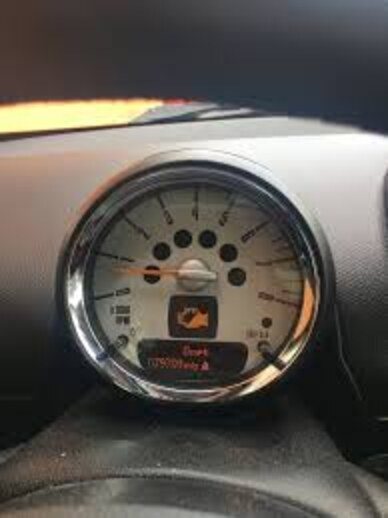
- Road test Complaint Vehicle stalls several times and displays reduced-power and check-engine warnings.
- Initial diagnosis Diagnosis Intake and exhaust valve operation, fuel pressure, airflow, VANOS solenoids and spark plugs are checked before reopening a system reported as recently serviced.
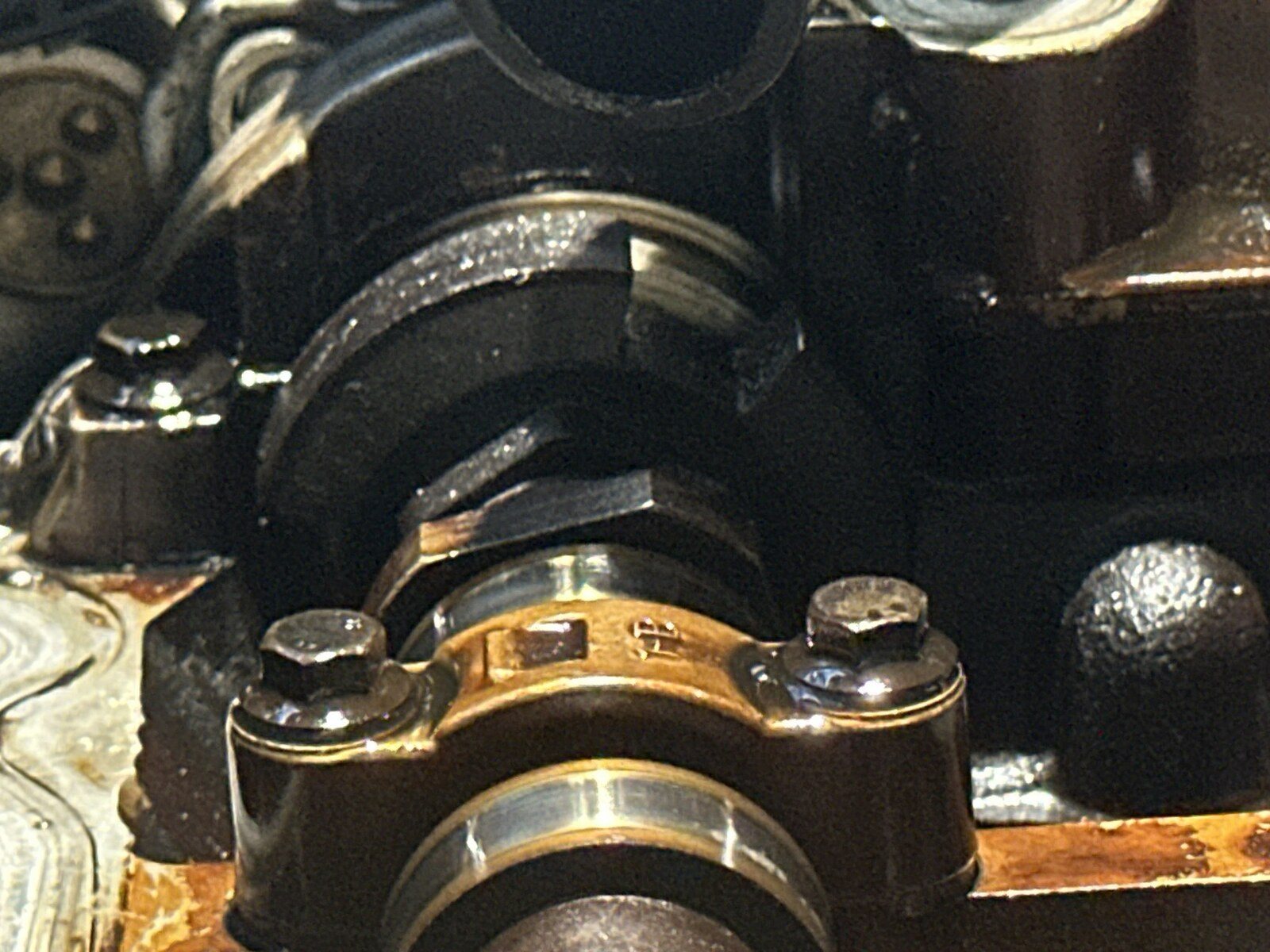
- Mechanical timing check Diagnosis Camshaft flats are not horizontal at the timing reference position, confirming that mechanical timing is incorrect.
- Repair Repair Timing-chain components and critical fasteners are replaced. The crankshaft and camshafts are locked, the chain is pre-tensioned, and the new camshaft and crankshaft fasteners are tightened using the specified procedure.
- Verification Verification Engine runs normally after repair, with no further stalling or reduced-power operation during the verification drive.
Customer Complaint
The owner said the Clubman S was not running well. They also explained that another shop had performed more than $4,000 of work about a year earlier, including timing-chain service. During the initial road test, the car stalled several times and displayed reduced-power and check-engine warnings.
That repair history changed the order of diagnosis, but it did not remove mechanical timing from the list.
Symptoms
- Engine ran poorly
- Vehicle stalled several times during the road test
- Reduced-power warning displayed
- Check-engine warning displayed
- Mechanical camshaft alignment was incorrect at the timing reference position
Diagnostic Process
Start with the reported history, but do not treat it as test data. A timing-chain service completed about a year earlier made a failed or incorrectly installed timing system seem less likely at first. It was reasonable to check other systems before reopening an expensive recent repair. It was not reasonable to declare the timing correct without measuring it.
Work through the other systems that can produce the same complaint. Intake and exhaust valve operation, fuel pressure, airflow, VANOS solenoids and spark plugs were checked. Poor running, stalling and reduced power can come from several systems, so no single symptom was allowed to select the part.
Verify mechanical timing when the remaining evidence points there. With the engine placed at the proper timing reference position, the camshaft flats should have been horizontal and aligned for the timing fixture. The photographs show that they were not. That physical relationship confirmed that crankshaft-to-camshaft timing was incorrect.
Separate the observed failure from the likely installation cause. The slipped timing was confirmed. The exact mistake made during the earlier repair cannot be proven after disassembly. The condition was consistent with critical bolts being reused, tightened incorrectly, or the chain not being pre-tensioned correctly before the camshaft and crankshaft fasteners were secured. Any of those errors can prevent the joint from achieving the clamp load and chain position required to preserve timing.
Repair Performed
- Replaced the timing-chain components rather than attempting to reset and reuse the installed chain
- Replaced the critical camshaft and crankshaft fasteners required for the timing service
- Positioned and locked the crankshaft and camshafts with the correct timing fixtures
- Installed the chain, guides and tensioning components in their specified positions
- Applied the specified timing-chain pre-tension before final tightening
- Tightened new camshaft and crankshaft fasteners using the engine-specific sequence, torque and angle procedure
- Rotated the engine by hand through the required cycles and returned it to the reference position
- Rechecked that the crankshaft and camshaft timing fixtures aligned without forcing them
- Reassembled the engine and completed a running and road-test verification
Parts Used
- Timing Chain Set Replacement
- Camshaft Fasteners Replacement
- Crankshaft Fastener Replacement
Verification
- Engine started and ran normally after the repair
- No further stalling occurred during the verification drive
- Reduced-power operation did not return
- Check-engine warning associated with the poor-running event did not return during verification
- Mechanical timing was rechecked after hand rotation before the engine was started
Technician Notes
This case is a reminder that repair history is not proof of repair quality. The owner had a credible reason to believe the timing system was no longer a concern: it had been serviced only about a year earlier as part of a bill exceeding $4,000. That history properly influenced the diagnostic order, but the car's evidence eventually brought the investigation back to timing.
The camshaft-flat photograph is the decisive evidence. At the correct crankshaft reference position, the flats should be horizontal so the timing fixture can register the camshafts. Their visible angle showed that the valve timing relationship was wrong; no parts history could override that measurement.
Why new bolts and correct tightening matter
The timing chain does not maintain timing by itself. The camshaft and crankshaft joints depend on the specified fasteners developing the correct clamping load. Where MINI service information identifies these bolts as single-use, replacing them is part of the repair—not an optional extra. A previously stretched or otherwise one-time-use fastener may reach a torque-wrench reading without producing the intended clamp load. The correct new fastener must then be tightened in the prescribed sequence using both the specified torque and angle stages.
The tightening figures must come from current service information for the exact engine, production date and fastener revision. Substituting a remembered number from another MINI engine is not acceptable.
Why the chain must be pre-tensioned first
The crankshaft and camshafts are locked at their reference positions while the timing drive is assembled. Before the critical camshaft and crankshaft fasteners receive final torque, the chain must be loaded with the specified pre-tension using the proper service tool. That step removes controlled slack and establishes the working relationship between the chain, guides, sprockets and locked shafts.
If the fasteners are tightened before the specified pre-tension is applied, slack can remain on the wrong side of the drive. The tools may appear to hold the shafts during assembly, yet the timing can move as soon as normal tension is applied or the engine rotates. Locking, pre-tension and final tightening are one procedure; changing their order changes the result.
What a complete timing-chain service should address
A timing-chain replacement is not simply exchanging one chain for another. The exact parts list must follow service information for the engine and production date, but the service should include inspection of the chain, guides, tensioner, sprockets, sealing surfaces and related wear points; renewal of required seals and single-use fasteners; correct crankshaft and camshaft locking; specified chain pre-tension; and engine-specific torque-and-angle tightening.
Before startup, rotate the engine by hand as specified, return it to the reference position and confirm that the timing tools align again without force. This final check can expose an assembly error before starter-motor speed turns it into engine damage.
Lessons Learned
- A recent repair changes diagnostic probability; it does not prove the repaired system is correct.
- The N14 uses a timing chain, not a timing belt.
- Confirm mechanical timing from crankshaft and camshaft reference positions rather than from repair history, sound or fault codes alone.
- When specified as single-use, camshaft and crankshaft timing fasteners must be replaced. Their job is to create the clamp load that preserves the timing relationship.
- A torque reading alone does not prove correct clamp load when the wrong, reused or previously stretched fastener is installed.
- Use the engine-specific tightening sequence, torque stages and angle stages from current service information.
- Lock the crankshaft and camshafts with the proper fixtures; do not use the timing tools as counter-holds for tightening unless the service procedure explicitly directs it.
- Apply the specified timing-chain pre-tension before final tightening of the camshaft and crankshaft fasteners.
- After assembly, rotate the engine by hand and verify the timing fixtures align again before using the starter.
- Symptoms such as rattling, poor running, stalling, reduced power and correlation faults justify testing; none proves that the chain itself is the failed part.
- State the earlier-repair cause carefully. The timing slip was observed, while reused bolts, incorrect torque or missing pre-tension remain plausible installation causes rather than proven facts.
Final Outcome
The slipped mechanical timing was corrected with replacement timing-chain components and new critical fasteners. The crankshaft and camshafts were locked at their reference positions, the chain was pre-tensioned before the camshaft and crankshaft bolts were tightened, and the final alignment was verified after rotating the engine by hand. The Clubman S then ran normally, with no further stalling or reduced-power operation during verification. The vehicle had other unrelated concerns that are reserved for a separate case study.
Customer Feedback
No customer feedback was documented after the repair. The verified result was that the engine ran normally and the original stalling and reduced-power complaint did not return during the post-repair test.
Photos From This Repair

Questions About This Repair
Can a MINI timing chain be out of time even if it was replaced recently?
Yes. A newer chain does not prove the engine is timed correctly. Incorrect locking, missing chain pre-tension, reused one-time-use fasteners, an incorrect tightening sequence or insufficient clamping load can allow the timing to be set incorrectly or slip later.
Why must new camshaft and crankshaft bolts be used when specified?
Critical timing fasteners are responsible for maintaining the clamping load that holds the timing relationship. When service information identifies a fastener as single-use, reusing it risks an inaccurate clamp load even if a torque wrench reaches the requested number. New correct fasteners must be tightened with the engine-specific torque-and-angle procedure.
Why is timing-chain pre-tension applied before tightening the camshaft and crankshaft bolts?
The specified pre-tension removes controlled slack from the chain while the crankshaft and camshafts are held at their reference positions. Tightening the critical fasteners before applying that load can trap slack on the wrong side of the drive and leave the final mechanical timing inaccurate.
What should normally be considered during a MINI timing-chain replacement?
The exact scope depends on engine and production date, but the chain, guides, tensioner, sprockets and sealing surfaces should be inspected; specified single-use fasteners and seals should be renewed; correct locking and pre-tensioning tools should be used; and timing should be rechecked after the engine is rotated by hand.
What are possible warning signs of a MINI timing-chain problem?
Possible signs include rattling, difficult starting, poor running, stalling, reduced power, camshaft-to-crankshaft correlation faults or a check-engine warning. These symptoms are not proof by themselves, so mechanical timing must be measured rather than diagnosed from sound or a code alone.
Repairs Like This One
- 9 documented Diagnosis repairs. See them all →
- 8 documented Engine repairs. See them all →